Product sourcing, simplified.
Whether you want to manufacture new products, find additional suppliers, move production to other countries or streamline your logistics needs, we can handle it.
Free quotes. No obligation.
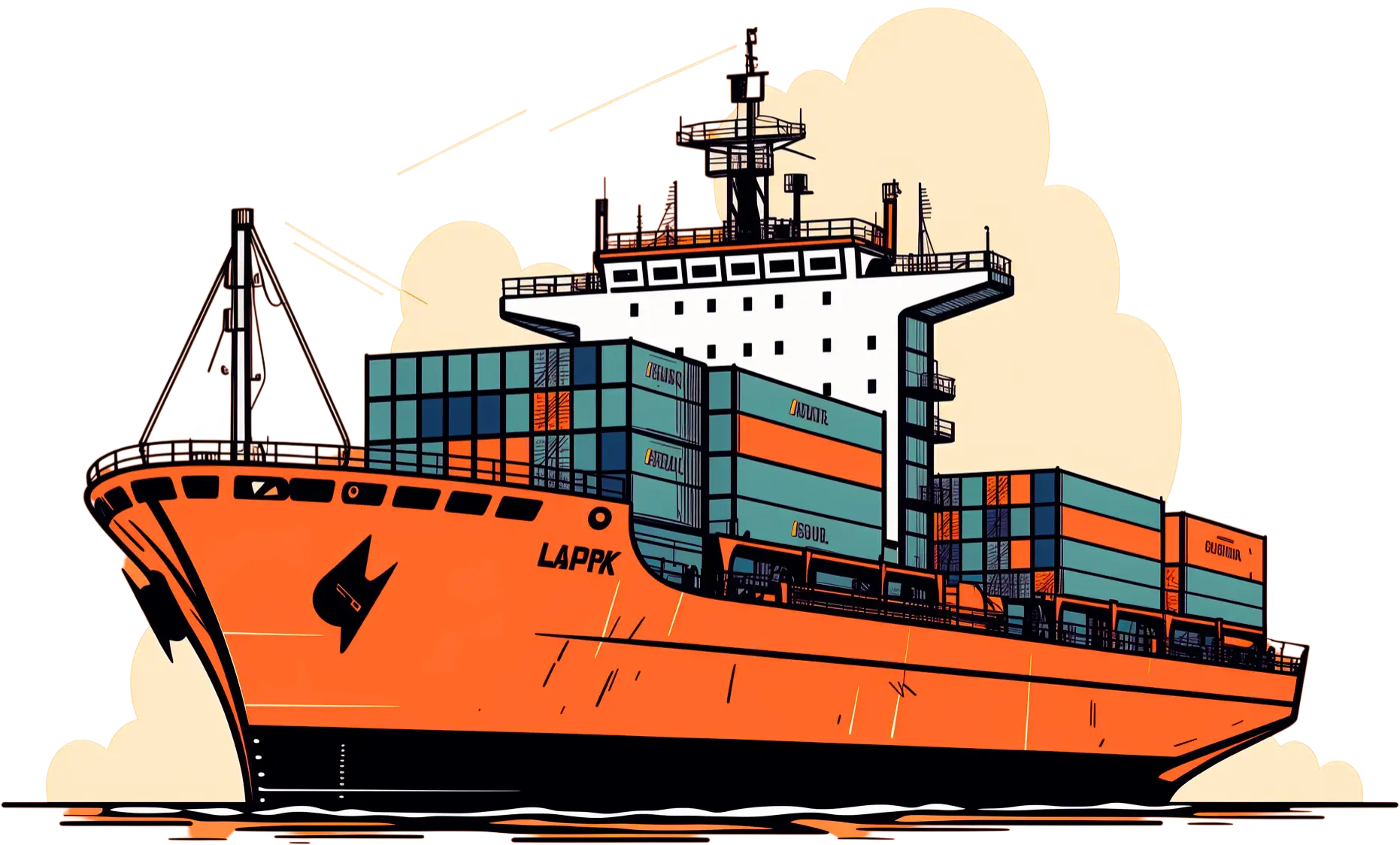


More than 100+ highly curated suppliers across the U.S., Asia & South America
Suppliers
Countries
Let us do the heavy lifting
We offer comprehensive supply chain management services, encompassing everything from sourcing factories and overseeing the entire production process to arranging freight, warehousing, and clearing customs.
Factory Sourcing
We can find additional suppliers or help you move production to another country completely.

Vendor Relations
We maintain strong supplier relationships to improve production and reduce manufacturing costs.

Production
We can manage your entire production run through the final inspection with our team on the ground.
Freight & Logistics
We’ll handle the hassle of scheduling freight, clearing customs, and final destination delivery.
We are an extension of your team.
Our approach is to seamlessly integrate with your operations, functioning as an extension of your team. We dedicate ourselves to understanding your business goals and challenges, ensuring that our solutions are not just services, but a collaborative effort tailored to propel your business.
Have questions or want to learn more?
Request a quote, it’s free.
Why choose us?

Relentless client advocacy
We have an unwavering commitment to championing our client’s needs. We tirelessly work on your behalf, ensuring that every aspect of your experience with us exceeds expectations, from initial contact to post-service support.
Strict quality control standards
Every product sourced and process managed by us must meet our high standards of quality and reliability. We employ rigorous inspection and testing protocols, guaranteeing that quality is not just a promise, but a consistent, delivered reality in every aspect of our work.”
Reduce costs, not quality
We focus on strategically lowering expenses without compromising on the quality of your products. With our extensive network and expertise, we deliver cost-efficient services that maintain the high-quality standards you expect.
Transparent end-to-end service
We ensure that you’re fully informed and involved at every stage of the sourcing process. From initial product selection to final delivery, we maintain open lines of communication, providing clear, honest insights and updates, so you always know the status of your project and can trust in its smooth execution.

Gain an international team
Working with us means you gain the advantage of an international team dedicated to your needs. Our diverse, global professionals bring a wealth of cross-cultural expertise and insights, ensuring that your sourcing strategies are informed by the best practices from around the world and tailored to fit the global market dynamics.
Frequently asked questions
No matter what it is, if you’re looking to improve your procurement and logistics operations we can handle it.
Our team includes multilingual professionals who facilitate clear and effective communication with suppliers around the world, both digitally and in-person. We handle all negotiations, discussions, and coordination, ensuring that language barriers do not impede the sourcing process.
We can manage all logistics and shipping arrangements, including freight scheduling, shipping documentation, and customs clearance. Our goal is to ensure a smooth, hassle-free delivery of products to your specified location.
Yes, we cater to businesses of all sizes, including small and niche e-commerce companies. We offer flexible sourcing solutions with lower MOQs that can be scaled and customized to meet the specific needs of smaller operations.
We are committed to ethical sourcing and sustainability. We carefully select suppliers who adhere to ethical labor practices and environmental standards. We also offer sourcing options for eco-friendly and sustainable products.
We employ strict quality control standards at every step of the sourcing process. This includes rigorous supplier vetting, regular quality inspections, and compliance checks to ensure that all products meet your specifications and quality expectations.
Absolutely. We assist in developing custom products, working closely with suppliers to ensure that your specific design and functionality requirements are met. Our team guides you through every stage of product development, from concept to production.
We have extensive experience in sourcing a wide range of products specifically tailored for e-commerce businesses. Our team understands the unique demands of the online market and leverages this expertise to source products that align with online consumer trends and preferences.
We continuously monitor market trends and consumer preferences to stay ahead in the dynamic e-commerce landscape. This insight allows us to advise our clients on product choices and strategies that align with current market demands.
Free quotes. No obligation.
Stay up-to-date on the latest sourcing trends.
Stay informed with the latest news and updates from the sourcing industry by subscribing to our newsletter.